Cutting waiting lists, saving money, improving lives

Genedrive’s technologies have been developed with the NHS, for the NHS, to solve real-world clinical challenges.

We have two commercial, CE marked in vitro diagnostic pharmacogenetic tests that are already helping patients in NHS settings. Our NICE recommended tests are helping to prevent serious illness, cutting NHS waiting lists, improving patient outcome and equitable access to healthcare and saving the system money.

Stroke prevention - Personal antiplatelet treatments

Up to Up to 56% of stroke patients do not benefit from the current clinical standard of care; prescription of clopidogrel to prevent secondary stroke.

In Greater Manchester, our CYP2C19 ID Kit test identifies these patients and is being piloted at the UK’s largest stroke unit, Salford’s Hyper Acute Stroke Unit. For every two tests performed, we are providing the necessary information to clinicians to prevent roughly one case of recurrent stroke. By enabling the best treatment for these patients, we are freeing hospital beds and cutting the demand for GP follow-ups, chronic care management, and long-term rehabilitation services. If fully adopted across the UK, the genedrive CYP2C19 ID Kit test could prevent 2,855 strokes per year and bring potential value to the NHS of over £160 million each year.


Antibiotic Induced Hearing Lost (AIHL) in newborn babies – Personalised antibiotic treatment

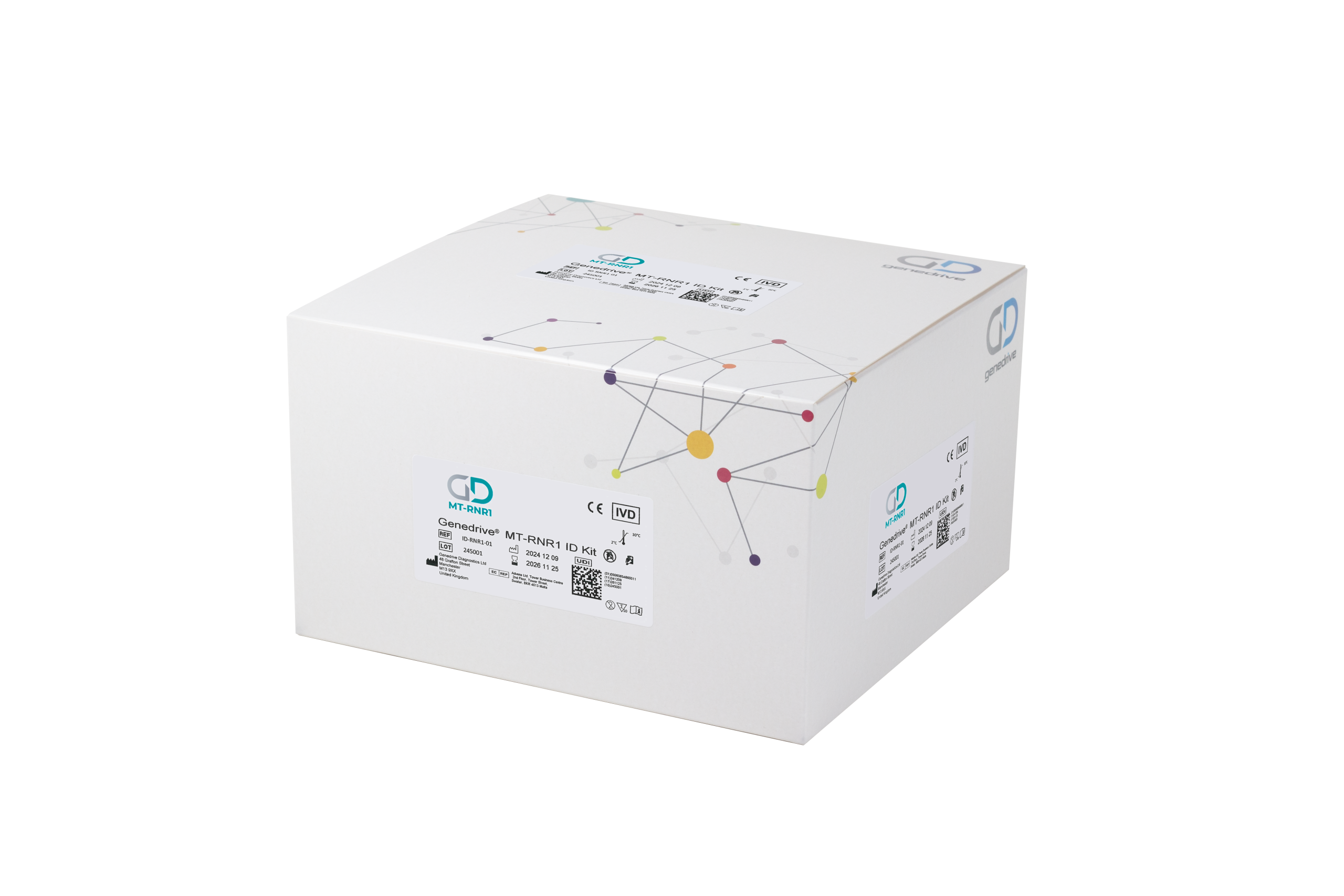
Our world-first rapid test to identify a genetic SNP in newborns, allowing clinicians to prescribe an appropriate antibiotic and prevent Antibiotic Induced Hearing Loss (AIHL)  is currently being used in neonatal intensive care units across 14 Neonatal Intensive Care Units (NICUs) in England and Wales. Notably, the Scottish Government has committed to implementing this test across all Scottish health boards from October 2025, ensuring equitable access to this healthcare intervention across Scotland.

To date our test has prevented 18 babies from being prescribed aminoglycoside antibiotics risking AIHL. If fully adopted, it could save 200 babies per year in the UK from developing unnecessary lifelong deafness, and save millions every year in lifetime support costs, specialist appointments, and follow-up care. Downstream, this will help to reduce waiting lists and free up GP and outpatient capacity.

Our commercially available, CE marked and NICE-recommended technologies empower healthcare providers to prevent serious illness before it happens, cutting NHS waiting lists, improving patient outcomes and saving the NHS money.
Want to hear more about our technologies and how they are supporting the NHS? Please use the form below to get in touch.