
Hyperacute Stroke units (“HASU”) are part of the UK’s Integrated Stroke Delivery Network, where care typically covers the first 72 hours after admission, with the aim that every patient with acute stroke should gain rapid access to a stroke unit in under four hours and receive an early multidisciplinary assessment2. Greater Manchester CSC is the largest and busiest HASU in England with more than 2,000 stroke patient admissions per annum and is situated within the Manchester Centre for Clinical Neurosciences (“MCCN”) at Salford Royal Hospital, part of Northern Care Alliance NHS Foundation Trust. The implementation assessment’s aim is to establish the benefit for patients across Greater Manchester.
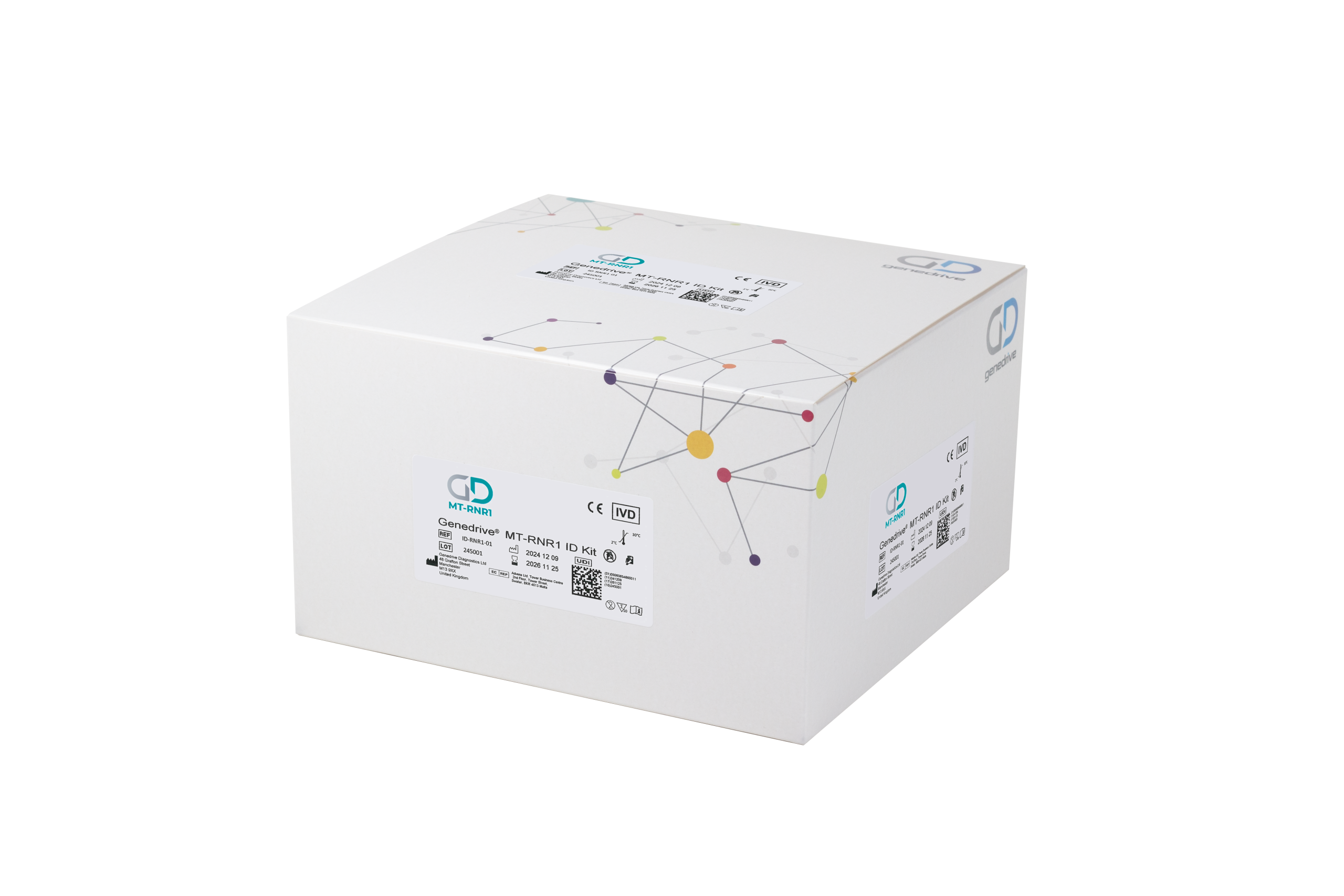
UK NICE guidance recommends laboratory CYP2C19 genotyping, and where not available or possible to implement point of care strategies, using the Genedrive® CYP2C19-ID test as the platform of choice. Whilst positioned primarily for enabling near-patient point of care testing, the Genedrive® System is also suitable for traditional laboratory testing paradigms as a more affordable alternative to more expensive laboratory platforms where sample throughput requirements do not necessitate high-scale batch processing.
Factoring in potential improvements in patient outcomes in addition to direct healthcare financial savings, Implementation of CYP2C19 genotyping in IS/TIA has potential value to the NHS of approximately £91M per year and £454M per year over one and 5 years respectively1.
Dr Gino Miele, CEO of genedrive plc, said: “With recent NICE guidance recommending CYP2C19 genotyping strategies in the UK NHS for IS and TIA patients in the NHS who are eligible for receiving the antiplatelet Clopidogrel, and recommending our test as the point-of-care platform of choice, these initial first-sales of our CYP2C19 ID-kit in the UK to one of the largest stroke centres nationally is a key initial milestone in our CYP2C19 commercialisation strategy, and further strengthens our pharmacogenetic positioning strategy in emergency care more broadly. We look forward to increasing implementation of our CYP2C19 test in the UK NHS and internationally to the benefit of both healthcare systems financially and improvement of patient outcomes.”
Professor Bill Newman, Professor of Translational Genomic Medicine at the University of Manchester and Lead of the NHSE Network of Excellence in Pharmacogenetics and Medicines Optimisation at Manchester University NHS Foundation Trust, said: “We are delighted to work with genedrive to implement this new clinical test to ensure that patients following a stroke or a mini-stroke get onto the best treatment as soon as possible to prevent a further stroke.”
Dr. Natasha James and Dr. Kirsty Ward, Clinical leads for the Greater Manchester CSC, said: “We are delighted to work with colleagues at Manchester Centre for Genomic Medicine and genedrive to bring the benefit of this novel technology to Stroke patients in Greater Manchester. The technology will help us to formulate a personalised optimal treatment plan for Stroke patients, that we hope will prevent future strokes and save lives. ”

Related articles